Raw genetic data is noise. We turn it into a roadmap you can read.
An NGS report contains hundreds of variants; most are irrelevant. Step by step, we filter out the noise, surface what actually matters, and tie each finding to an evidence-based treatment decision.
Raw data
A report lists hundreds of variant rows — it is not clear which matter and which do not. On its own, this does not add up to a treatment plan.
Filtering
Technical artifacts, germline variants and low-confidence reads are removed, leaving only reliable, tumor-specific candidates.
Prioritization
The remaining variants are ranked by role: tumor-driving "driver" mutations rise to the top, inert "passengers" fall to the bottom.
Interpretation
Every driver mutation is matched against FDA approvals, current guidelines and clinical trials, then tiered by strength of evidence.
Decision
A physician-approved roadmap: 1st-, 2nd- and 3rd-line treatments, alongside likely resistance paths and trial alternatives.
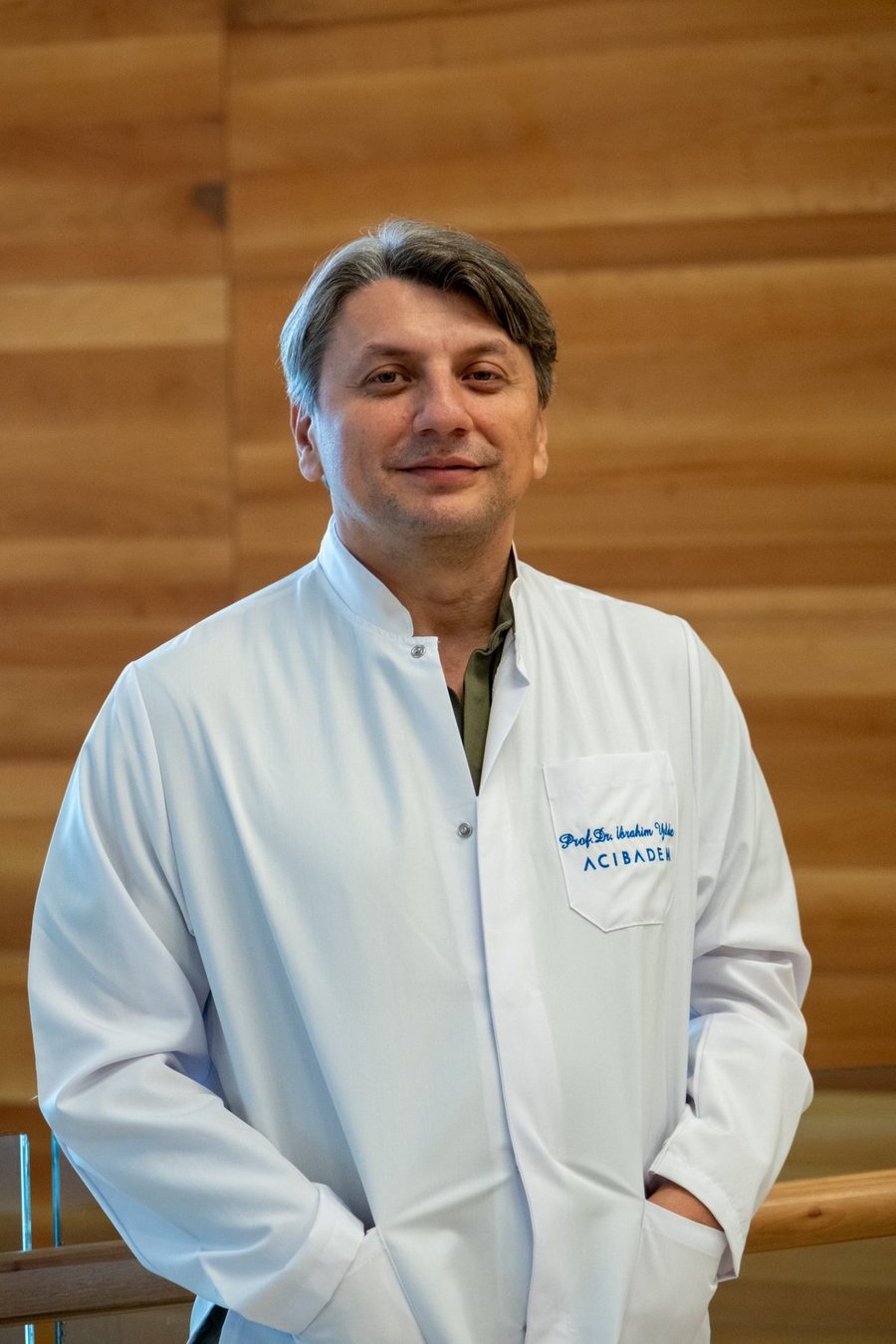
We explain NGS in two minutes.
Prof. Dr. İbrahim Yıldız answers the two questions patients and physicians ask most, in short videos — direct, without medical jargon.
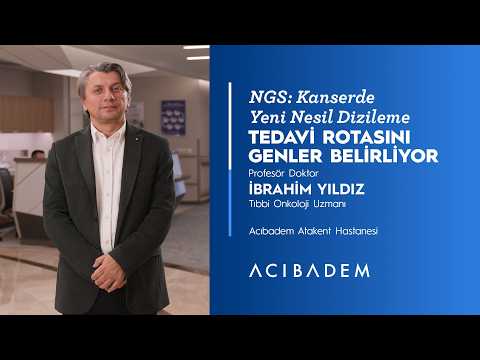
How next-generation sequencing uses a tumor’s genetic profile to determine treatment sequence.
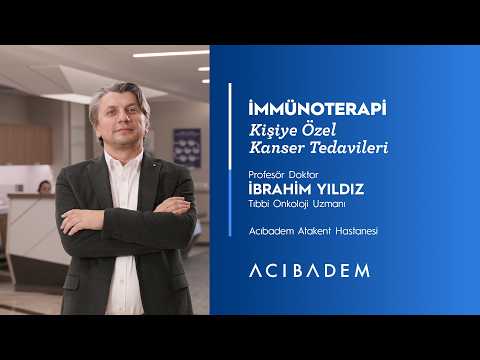
Treatments that direct the immune system against the tumor, and the biomarkers that determine which patients respond.
What does your second opinion cover?
These are not separate products but layers of one consultation — eight different readings of the same case.
First evidence: a 102-patient pilot study.
102 consecutive NGS reports were retrospectively assessed, comparing the original lab report against the Menthis report.
For 49 of 102 patients, at least one different or additional clinical recommendation was generated compared with the standard NGS report.
The biggest impact isn’t finding a new drug — it’s ruling out the wrong target.
Impact categories can overlap; a single patient may be counted under more than one.
If no targetable mutation turns up, was NGS wasted? No.
NGS is not a "find-a-drug test" — it is a comprehensive decision-support tool that reveals a tumor’s molecular biology. Its value is not limited to finding one drug:
Avoiding ineffective treatment
Ruling out treatments that would not help, ahead of time.
Resistance mechanisms
Understanding likely resistance pathways and building them into the plan.
Immunotherapy biomarkers
Assessing TMB, MSI, PD-L1 and co-mutation context together.
Rare fusions
Investigating rare fusions and other genomic events.
Hereditary syndromes
Flagging hereditary cancer syndromes and family screening.
Prognostic insight
A more accurate outlook on disease course.
One price.
One package: a complete written report and a personal consultation. Every case is personally signed by Prof. Dr. İbrahim Yıldız.
A complete fourteen-section written narrative, plus a 30-minute personal video consultation to review the findings together.
The questions we hear most.
I already have an NGS report. Why would I also need a second opinion?
Your NGS lab report is a technical document written for specialists: it lists what was found, but it does not build a treatment strategy. We turn that same data into a complete clinical roadmap — prioritization, immunotherapy assessment, a resistance plan and clinical-trial matching — all in a form your doctor can act on directly.
Do I need a new test, or do you work with my existing report?
We work with your existing report — no new test is needed. We accept Tempus, FoundationOne CDx, Guardant360, Caris and other panels. If your report spans multiple platforms (DNA + RNA + IHC), we evaluate them together.
Does this replace my own oncologist?
No. Our report is a second opinion. All treatment decisions belong to your treating oncologist, who knows your medical history and overall condition. Every report states clearly that physician confirmation is required before any action.
What languages is the report available in?
The structured molecular consultation report (IYGAS™) is delivered in English, the international standard. The physician narrative is provided in Turkish, English, Bulgarian, Romanian and Bosnian, so your local oncologist gets a clear account in the language they are most comfortable with.